Quick Overview
AI marketing for naturopaths means using AI and automation to take the blank-page work and repetitive admin out of your marketing, while you stay in charge of your voice, your expertise and your clinical practice. The seven tasks worth automating are social media drafts, email writing, enquiry follow-up, answering common questions and booking, blog drafts, routine client messages, and staying in touch with past contacts. AI should assist, never decide. You review what is published, and anything clinical stays with you. The most useful AI is not a separate tool. It is AI connected to your website, contacts, bookings and follow-up.
You became a naturopath to work with clients.
You did not train for years so you could spend your evenings writing Instagram captions, building email sequences and trying to understand marketing software.
Until recently, good digital marketing meant doing all of that yourself, or paying several specialists and several software providers. AI is changing that.
And here is the part that matters most: AI should not be one more thing you have to learn. It should make the marketing you already do easier.
What is AI marketing for naturopaths?
AI marketing for naturopaths is the use of AI and automation to help with the marketing side of a practice: drafting content, replying to routine enquiries, following up, keeping contacts organised and sending the right message at the right time. It assists with marketing and administration. It has no role in clinical care.
Two different things sit under that heading, and it helps to separate them.
Automation means a routine step happens on its own, such as a reminder being sent the day before an appointment. It follows rules you set. It has been around for years.
AI goes one step further. It can draft words, summarise, suggest and respond in plain language. It is what turns a blank screen into a first draft.
Used together, they take a surprising amount of friction out of running a practice.
Will AI replace your expertise or your voice?
No. AI can produce a first draft, but it does not know your clients, your clinical judgement or your way of explaining things. You supply the expertise and the final say. AI supplies speed on the parts that do not need you.
This is the fear I hear most often, and it deserves a straight answer.
AI does not have your years in clinic. It has not sat with your clients. Left alone, it writes pleasant, generic paragraphs that could belong to anyone.
Your voice comes from what you give it: your own ideas, your own phrases, your own point of view. The more of you that goes in, the more of you comes out. And nothing is published until you have read it.
AI isn't about replacing the human touch in healthcare. It's about amplifying your authentic voice so more people can discover your healing gifts.
Why does AI change marketing for small practices?
Because a solo practitioner can now do things that used to need a team. Drafting, repurposing, following up and answering routine questions once took a marketing person, a virtual assistant and several pieces of software. Much of that can now be assisted from one place.
Here is how the everyday reality shifts:
| The old way | With AI and automation |
|---|---|
| You think of every social post from scratch | One idea becomes several drafts |
| An email starts with a blank screen | You begin with a draft and refine it |
| Follow-up depends on remembering | Follow-up goes out consistently |
| Every enquiry needs you to reply | Routine questions can be answered from information you approved |
| Building automations feels technical | You describe what you want in plain language |
| A blog article takes hours | Structure and a first draft take minutes, then you add the expertise |
| You switch between several tools | More of the work happens in one connected place |
What 7 marketing tasks can naturopaths automate with AI?
The seven tasks are: creating social media content, writing email campaigns, following up new enquiries, answering questions and helping visitors book, drafting educational blog content, sending routine client-journey messages, and staying in touch with past contacts.
1. Creating social media content
You know consistency matters. You may not want to become a content creator.
AI can take one idea from you, a voice note or a few dot points, and turn it into drafts for Instagram, Facebook and LinkedIn in a defined brand voice. You choose, edit and approve. The blank page is gone.
2. Writing email campaigns
Email works when it is useful and regular, and that is exactly why it gets put off.
AI can draft a newsletter from your notes or reshape a blog article into an email. The platform then handles the list, the scheduling and the welcome series, and only sends to people who have agreed to hear from you.
3. Following up new enquiries
An enquiry should not depend on you remembering to send another email three days later.
When someone fills in a form, an acknowledgement goes out straight away, followed by a short, helpful series and a gentle invitation to book. This is plain automation, and it closes one of the most common of the the gaps between tools.
4. Answering questions and helping visitors book
Many people have a question before they are ready to book. What are your hours? Do you offer online consultations? How long is a first appointment?
An AI chat assistant can answer questions like these from information you have approved, collect contact details and offer a booking link. It can also be set to draft replies for you to approve before anything is sent. It must never give health advice, and anything clinical is handed to you.
5. Drafting educational blog content
Your knowledge is valuable. Turning it into articles that people can find is slow.
AI can suggest topics, propose a structure and write a first draft. You add the expertise, check every statement for accuracy and make sure it sits within health advertising rules. Over time, a body of helpful articles shows Google and AI search tools what you are known for.
6. Sending routine client-journey messages
Confirmations, reminders, a thank-you after a first visit, a neutral invitation to leave a review. None of these should need your attention each time.
Automation sends them at the right moment. AI can help you set them up by describing what you want in plain language, in place of building each step by hand.
7. Staying in touch with past contacts
Most practices have people in their database who enquired once or have not been in for a long while.
A thoughtful, occasional message can let them know you are still here and what is new. AI can help draft it, and automation can send it to the right group. It should only go to people who have given consent, and it should always be easy to opt out.
7 marketing tasks you can automate
Social media drafts
AI assistsEmail writing
AI assistsEnquiry follow-up
AutomationCommon questions and booking
AI assistsBlog drafts
AI assistsRoutine client messages
AutomationStaying in touch with past contacts
AutomationYou review. You decide.

Can AI help naturopaths create content from one idea?
Yes. You do not need seven new ideas a week. You need one piece of real expertise, and AI can help reshape it into several formats. You create the expertise once. AI helps turn it into the rest.
Here is an illustrative example. Picture a naturopath who records a three-minute voice note about how she explains digestive health to new clients.
| Starting point | What it can become, with her review |
|---|---|
| The voice note | A blog article outline |
| The same idea | A full article draft |
| The same idea | An Instagram carousel |
| The same idea | A Facebook post and a LinkedIn post |
| The same idea | A newsletter |
| The same idea | A short video script |
| A reader wants more | A free guide on the topic |
| Someone downloads the guide | A short welcome email series |
| They are ready | An invitation to book |
One idea, one review, many uses. Every piece still says what she would say, because it started with her.
One idea, many uses
Your idea
Illustrative example
You create the expertise once.
When I first discovered AI tools in 2022, I saw immediately how they could solve the biggest challenge facing practitioners: creating quality content consistently. But only if we use them to amplify our authentic voice, not replace it.
What should remain human?
Anything clinical, anything sensitive and anything that carries your professional opinion stays with you. AI is a marketing and administrative assistant. It is not a clinician, and it should never be set up to act like one.
| Use AI for | Keep in human hands |
|---|---|
| First drafts | Clinical accuracy |
| Content ideas | Your professional opinion |
| Reshaping content into new formats | Any statement about health |
| Routine marketing messages | Sensitive client conversations |
| Answering common questions from approved information | Assessment or personalised advice |
| Setting up automations | Deciding what your automations should do |
| Administrative follow-up | Clinical decisions |
| Summarising what is working | Your judgement |
Three rules are worth keeping in front of you.
First, you remain responsible for everything published in your practice's name, whoever or whatever drafted it. Read it all, and check it against health advertising rules.
Second, never put a client's health information into an AI tool. Clinical notes and client health records stay in your practice management software.
Third, be open about it. If an AI assistant is answering questions on your website, say so, and make it easy to reach a person.
AI assists. You decide.
AI can assist with
Stays with you
A marketing assistant, never a clinician.
Why is using ChatGPT on its own not enough?
A standalone AI tool such as ChatGPT can help you write something. It does not know who enquired yesterday, it cannot send the follow-up, and it cannot book the appointment. AI becomes far more useful when it sits inside the system that holds your contacts, calendar and messages.
| A standalone AI tool | AI inside a connected practice system |
|---|---|
| Helps you write something | Connects what you write to what happens next |
| Does not know your contacts | Works alongside your contact records |
| Does not know who enquired | Knows where each enquiry is up to |
| Cannot start a booking or follow-up | Bookings and automations are in the same place |
| You copy and paste between tools | More of the work happens in one place |
| Produces words | Helps produce actions |
Standalone tools are useful, and I use them myself. But writing was never the whole job. The job is getting the right message to the right person at the right moment.
The future is not just AI-generated marketing. It is AI connected to your website, contacts, email, text messages, calendar and client journey.
Curious what your own gap looks like?
Our free Marketing Gap Calculator gives you a quick picture of the bookings your practice may be missing when follow-up relies on memory. It takes a couple of minutes.
How does PractitionerPro use AI to make practice marketing easier?
PractitionerPro connects your website, contacts, bookings, email and follow-up in one system, with automation built in as standard. AI tools for drafting content, answering enquiries and answering the phone are optional extras that we set up with you on request, so you only add AI where it helps.
PractitionerPro is built on HighLevel, also called GoHighLevel, an established marketing platform with a growing set of AI tools. We configure it for natural health practitioners.
- Included as standard. Automations for enquiry acknowledgement, your welcome email series, booking confirmations and reminders, and neutral review invitations. Your website, free guide and welcome emails are written for you in your voice.
- Optional extras, set up on request. AI help with drafting social posts, emails and articles in your brand voice. An AI chat assistant for common questions and bookings. AI phone answering for when you are with a client or out of hours.
- Always. Wording checked against advertising rules, a person you can ask, and clinical records kept out of the system.
We set AI up carefully and only where it earns its place. An AI chat assistant, for example, is given approved information about your practice, told what it must never answer, and set to hand over to you.
Your clinical skills should require your attention. Your repetitive marketing tasks shouldn't.
Where should you start with AI in your practice?
Start with one task, not a hundred tools. Choose the single marketing job you put off most, decide what should happen, set it up once, and review it after two weeks. One working automation is worth more than ten you never finish.
Here is a simple way to begin this week:
- 1
Choose one task. Pick the marketing job you avoid most. For many practitioners it is enquiry follow-up or social media.
- 2
Describe the result. Write two or three sentences about what should happen, in plain language.
- 3
Gather your own words. Collect a few things you have already written or said, so anything drafted sounds like you.
- 4
Set the boundaries. Write down what must stay human for this task, and what must never be said.
- 5
Set it up once. Build it, or have it built, and test it on yourself first.
- 6
Review after two weeks. Read what went out. Keep what sounds like you and change what does not.
| My first task | My notes |
|---|---|
| The task I will automate | |
| What should happen | |
| What stays human | |
| When I will review it |
Start with one task, not a hundred tools
Choose one task
Describe the result
Gather your own words
Set the boundaries
Set it up once
Review after two weeks
Frequently asked questions
Can you show me what my practice could automate?
Yes. Book a Free Practice Review. I look at your website and Google Business Profile before we talk, then we go through your marketing together and identify which tasks could be automated, which could be assisted by AI, and which should stay with you. It is a relaxed 30-minute conversation with no obligation.
Is AI included in PractitionerPro?
Automation is included as standard: enquiry acknowledgement, your welcome email series, booking reminders and review invitations. AI tools for drafting content, an AI chat assistant and AI phone answering are optional extras that we set up with you on request.
Is it appropriate to use AI in marketing for a health practice?
Yes, when it is used for marketing and administration and you review what is published. You remain responsible for everything that goes out in your practice's name, so every piece should be checked for accuracy and against health advertising rules. AI should never be used to give health advice.
Will AI-written content sound like me?
It will if it starts with you. Content built from your own notes, voice recordings and past writing, and then edited by you, keeps your voice. Content generated from a one-line request with nothing of yours in it will sound generic.
Can an AI chat assistant answer health questions from my website visitors?
No, and it should be set up so that it does not. An AI chat assistant should answer practical questions such as hours, fees, location and how to book, using information you have approved. Anything about a person's health is passed to you.
Do I need to learn how to use AI tools?
No. With PractitionerPro the automations are built for you, and any AI extras are configured with you and explained in plain language. You do not need to become a marketer or a software expert.
How much of your practice marketing are you still doing manually?
If the answer is "most of it", there is a calmer way to run things, and I would be glad to show you what it could look like.
Book a Free Practice Review
See how PractitionerPro can simplify your practice marketing system. I will look at your website and Google Business Profile before we speak, then we will map out how your website, contacts, email, bookings and follow-up could work together, with automation and AI assisting the repetitive work.
It is free, it is friendly, and there is no obligation.
Warmly,
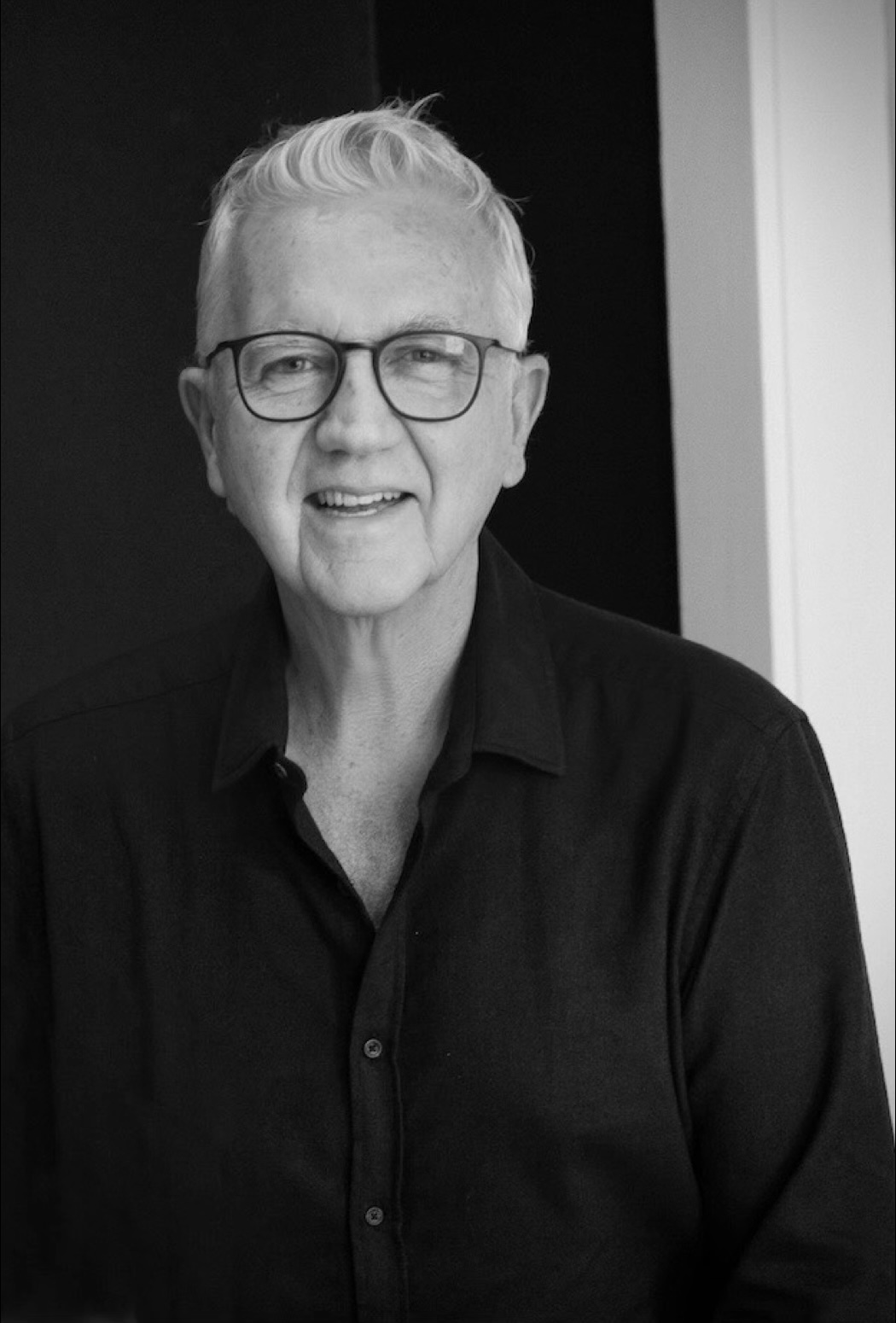
James BurginFounder, PractitionerPro and Thriving Practitioners. Former naturopath, clinic owner and creator of Metaphysical SEO.
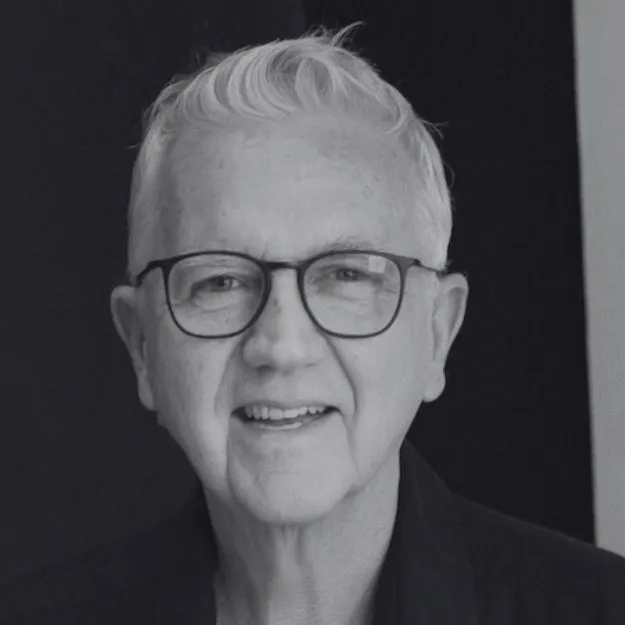
About The Author
James Burgin
Founder, PractitionerPro and Thriving Practitioners
James is a naturopath turned digital marketer with 35+ years helping natural health practitioners get found by the people they trained to help. He founded Thriving Practitioners, a community and education platform for practitioners across Australia and New Zealand, and PractitionerPro, the practice growth platform built by practitioners, for practitioners. He lives in Bondi, Sydney.